A practical odyssey through coil design, comfort layers, and the quiet art of waking refreshed. This guide blends technical clarity with the storytelling cadence you expect from The New Yorker, tracing the arc of innerspring mattresses from their mechanical promises to the subtle psychology of sleep health. Along the way, we meet three influential figures—across epochs—who shaped our understanding of sleep, science, and comfort. And yes, we’ll spotlight a standout product to ground the discussion in tangible choice.
Innerspring mattresses are a dialogue between metal and memory, a choreography of springs that bear the weight of our bodies while letting us dream. The coil system is the spine of the mattress—literally. Coil design influences firmness, support, edge stability, and long-term durability. Early systems favored simple, evenly spaced coils; modern iterations explore pocketed coils, zoned supports, and heat-tempering methods that modulate how a bed responds to the body’s contours.
Delving into coil construction reveals a spectrum: from traditional open-ended, six-turn coils that distribute weight across a broad surface, to pocketed coil configurations that isolate movement and tailor support to different zones of the body. The result is a bed that can feel firm at the core yet forgiving at the shoulders and hips, a balance that sleep researchers repeatedly flag as essential for spinal alignment and wakeful mornings.
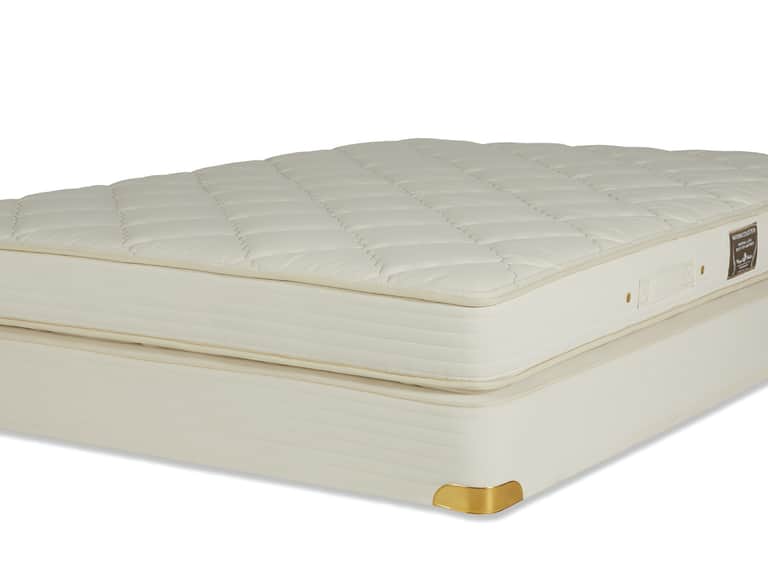
Edge support matters—how a mattress behaves when you sit on the edge or roll toward the perimeter. Smart edge reinforcement uses denser coils or additional layers along the boundary to preserve surface area and prevent that dreaded “roll-off” sensation. And underneath it all, the box spring or foundation remains the unsung partner, translating coil energy into a coherent sleeping platform.
Coils don’t act in isolation. The comfort layers above—foam, latex, wool, cotton, or wool blends—shape the feel and temperature of the night. A dense, springy layer can provide robust support, but it may trap heat if not properly ventilated. The modern approach often pairs a supportive coil bed with breathable natural materials that wick moisture and promote airflow. Organic cotton, wool, and natural latex are recurring protagonists in this narrative, each contributing a unique texture, resilience, and thermal behavior.
Consider temperature regulation as part of sleep health. An overheating bed disrupts sleep cycles, triggering micro-awakenings that fragment rest. Materials with open cell structures or natural ventilation channels help maintain a stable microclimate through the night. The right combination—coils orchestrating support, natural fibers delivering breathability—can reduce tossing and turning and foster deeper, longer sleep cycles.
Potency of the layering also shows up in pressure relief. A well designed topper or latex layer can alleviate point pressures at hips and shoulders, helping the spine maintain its natural curvature. The result is not just comfort, but a sleep experience that supports muscle recovery and cognitive clarity the next day.
When you stand before a showroom or scroll a digital catalog, several touchpoints help you discriminate intelligently between innerspring offerings:
Sleep is a continuum, stitched by minds across centuries. Here are three pivotal individuals whose ideas illuminate the current shift toward healthier sleep in innerspring contexts, each emerging from a different era.
To humanize the discussion, consider three case narratives that mirror the arc from coil logic to daily rest.
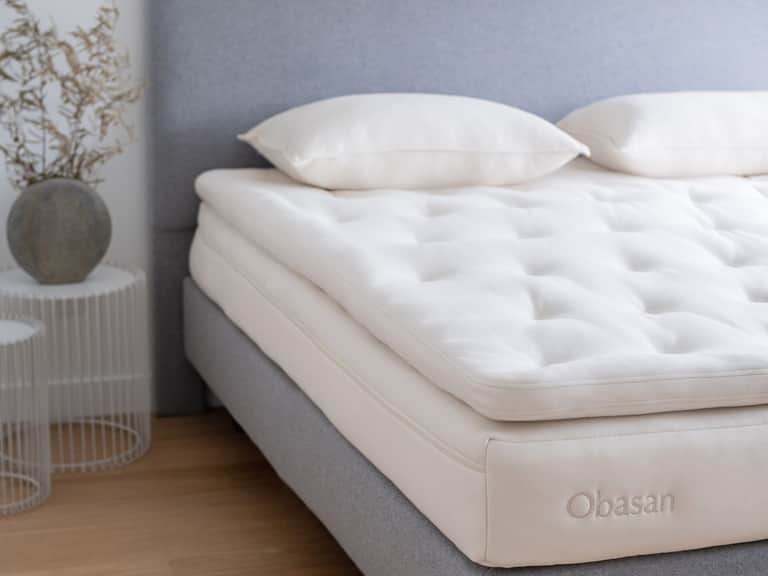
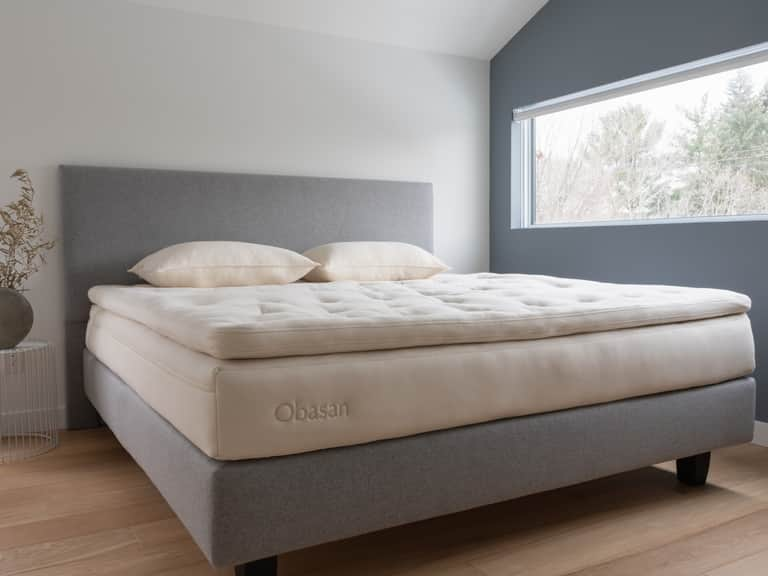
The Obasan Classic is a disciplined blend of structure and tenderness. It offers a firm base, a customizable middle Dunlop latex core, and a soft top, all enveloped in an organic cotton and wool quilted cover. The layering is deliberate: a sturdy foundation, a configurable midsection to tailor zones, and a gentler surface that relieves pressure without surrendering support. This mattress embodies the ideal of a modern innerspring companion—the coil bed reimagined with natural materials that breathe and adapt.
What makes Obasan notable within the innerspring ecosystem is its explicit embrace of customization. The queen and king variants can be tailored by sleep-side, offering a sanctuary of balance for couples with different preferences. The wool and cotton quilted cover adds temperature regulation and a comforting hand-feel, a reminder that sleep health thrives when the bed feels right to the skin as well as to the spine.
From a design perspective, the Obasan Classic demonstrates how an innerspring framework can harmonize with organic textiles to deliver a sleep experience that glows with quiet, purposeful luxury. It’s a case study in how contemporary brands translate the traditional spring mattress into a healthier, more personalized morning ritual.
Note: The Obasan mattress may be paired with an optional hardwood foundation for added stability. This image is a representative glimpse of the product detail from the brand’s listing.
Beyond the mechanical brilliance of coil systems and fabrics lies a broader, deeply human conversation: how sleep health—habits, environment, and physical comfort—intertwines with our daily vitality. A mattress is a daily instrument, not a one-off purchase. The goal is to shape evenings into rituals that prime the body for repair, memory consolidation, and mood regulation. In this light, innerspring beds are not merely a product category but a gateway to a lifestyle of restful, restorative living.
Key sleep-health ideas to carry into your mattress search include consistency of sleep schedule, a cool, breathable sleep environment, and a setup that respects spinal alignment. The innerspring platform, combined with natural layers and mindful design, gives you the potential to tune not just feel but also physiology across weeks and seasons.
Choosing the right innerspring mattress is a step toward better sleep health, but it is also a journey of listening to your body. The coil system gives you a framework of support and resilience; the comfort layers give you your night’s individual texture; and the foundation—literal and figurative—grounds the entire experience in steadiness. When these elements harmonize, you wake not merely refreshed but with a sense that your bed has learned you, and you have learned sleep.
As you navigate the options, keep in mind the three 'stories' of sleep you most closely resemble: the productive strategist who needs steady alignment; the temperature-sensitive sleeper who values breathable textures; and the shared-bed dreamer who seeks a quiet, motion-stable surface. The innerspring mattress is uniquely capable of accommodating these narratives, especially when paired with natural materials and thoughtful design. In the end, the best mattress is the one that invites you to lie down and trust the night, a guarantee that you will meet the morning with intention and clarity.
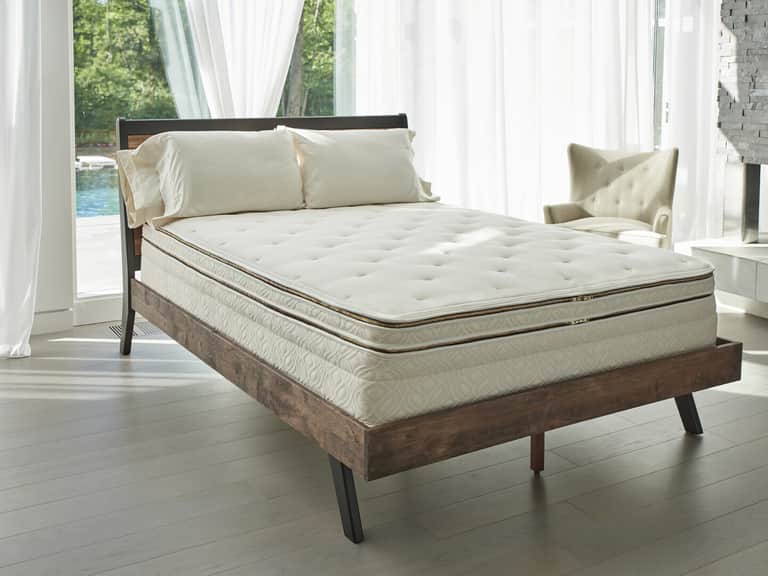
Image references available upon request. Product imagery shown in this article is for illustrative purposes and reflects commonly available aesthetics from the discussed product category. The Obasan Classic Organic Dunlop Latex Mattress is used here as a primary example to ground the discussion in tangible terms.